

Egypt: Part Two
Saqqara, Exploring the Secrets of Egypt's Ancient Necropolis

Nestled just a stone's throw south of the famed Giza Plateau lies a treasure trove often overshadowed by its more illustrious neighbor - Saqqara, an ancient burial ground brimming with history and mystery. Dominating its landscape is the Step Pyramid of Djoser, hailed as the oldest pyramid in Egypt, dating back over 4,600 years. In the pyramid's shadow, sprawls a labyrinth of tombs, mastabas, and temples, offering an array of insights into the vibrant tapestry of ancient Egyptian life and beliefs.
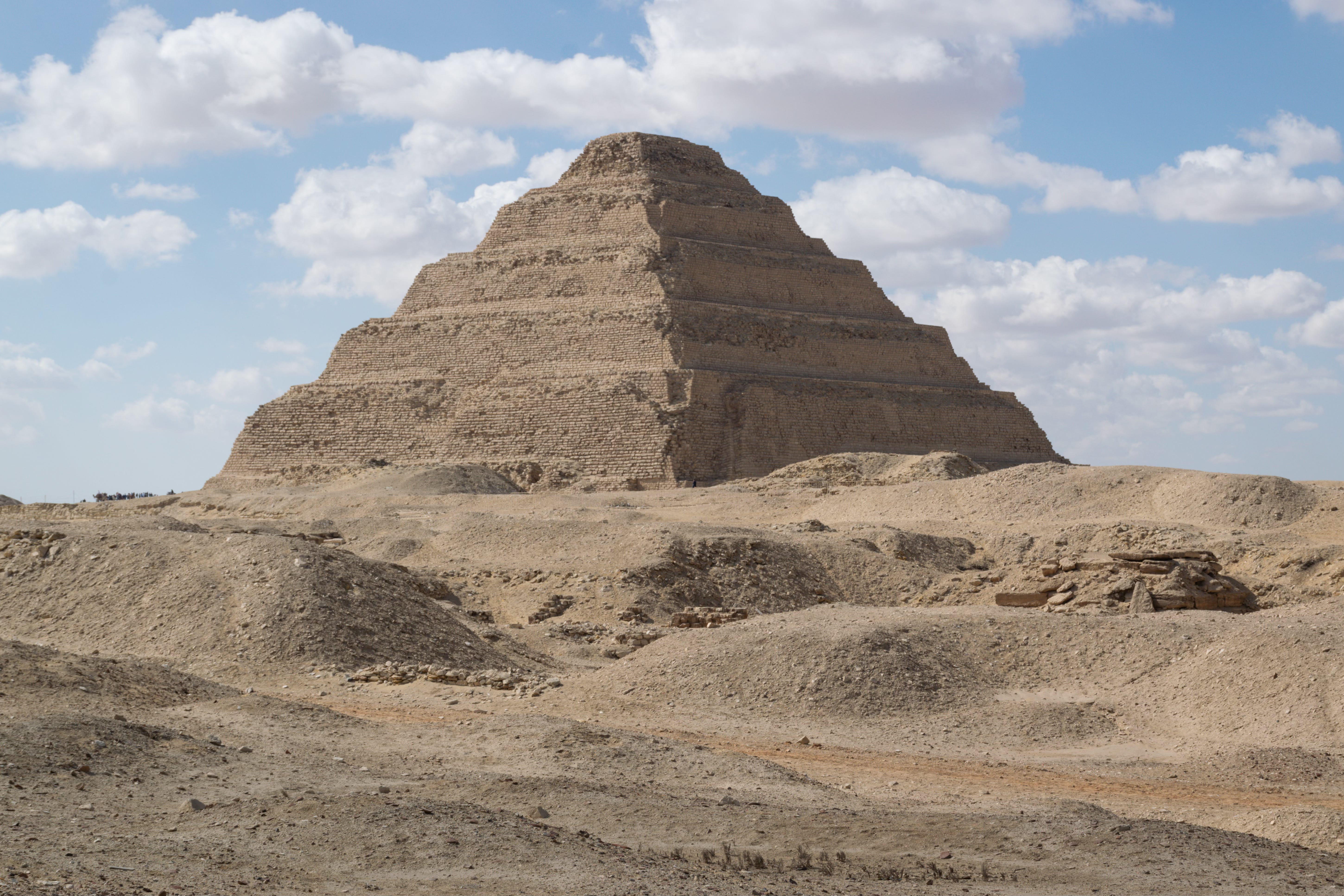
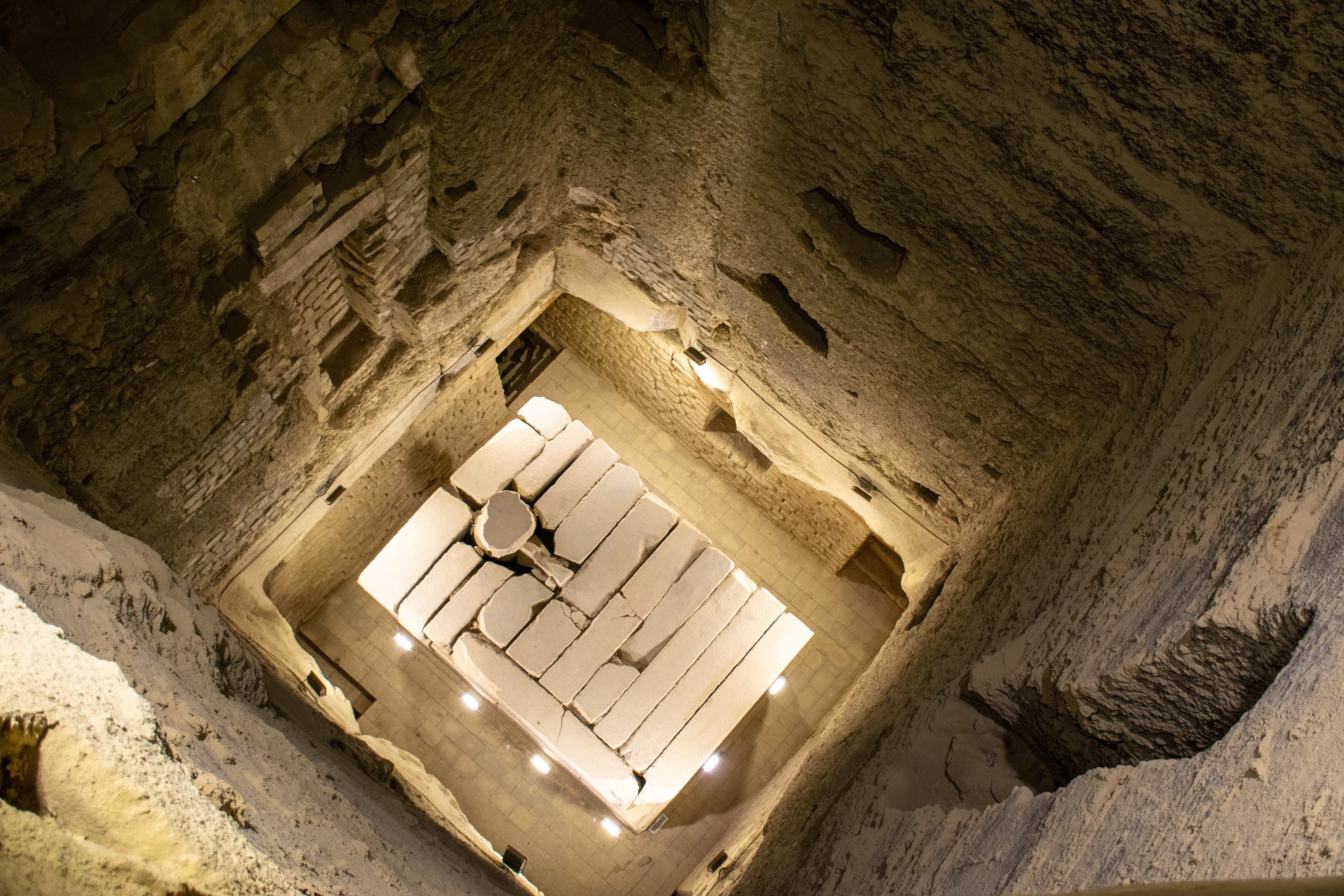
The Step Pyramid looms before me, a sight that manages to command my full attention despite my visit to its majestic cousin yesterday. Unlike the sleek, smooth-sided structures that often come to mind when one thinks of Egyptian pyramids, Djoser's pyramid boasts six terraced layers, each stepping upward in a majestic ascent to a height of approximately 200 feet. As I stand in awe, the tiers diminish in size towards the summit, where they seem to touch the endless expanse of the sky above. I find myself struggling to locate the entrance to this ancient wonder. After a few missteps, I stumble upon a set of stairs that lead me to an almost hidden entrance. Stepping inside, I am greeted by soft-white lighting, guiding me through a columned passageway towards the heart of the pyramid. Eventually, I reach a platform that overlooks a vast chasm below. There, before me, lies a rectangular structure crafted from colossal granite blocks - a stark contrast to the granite sarcophagus found within the Great Pyramid.
Emerging from the pyramid, Saqqara stretches out before me - an expansive maze of ancient wonders waiting to be unraveled. Its vastness is daunting, made even more challenging by the absence of clear pathways or maps to guide the way. With no guide by my side, I am left to navigate this mysterious world alone. Undeterred by the uncertainty, I press on, driven by the thrill of exploration. Some dusty signs point the way to the Unas Pyramid, its humble exterior looking a bit like a crumbling mound rather than a pyramid. But I know, the real riches were concealed within.
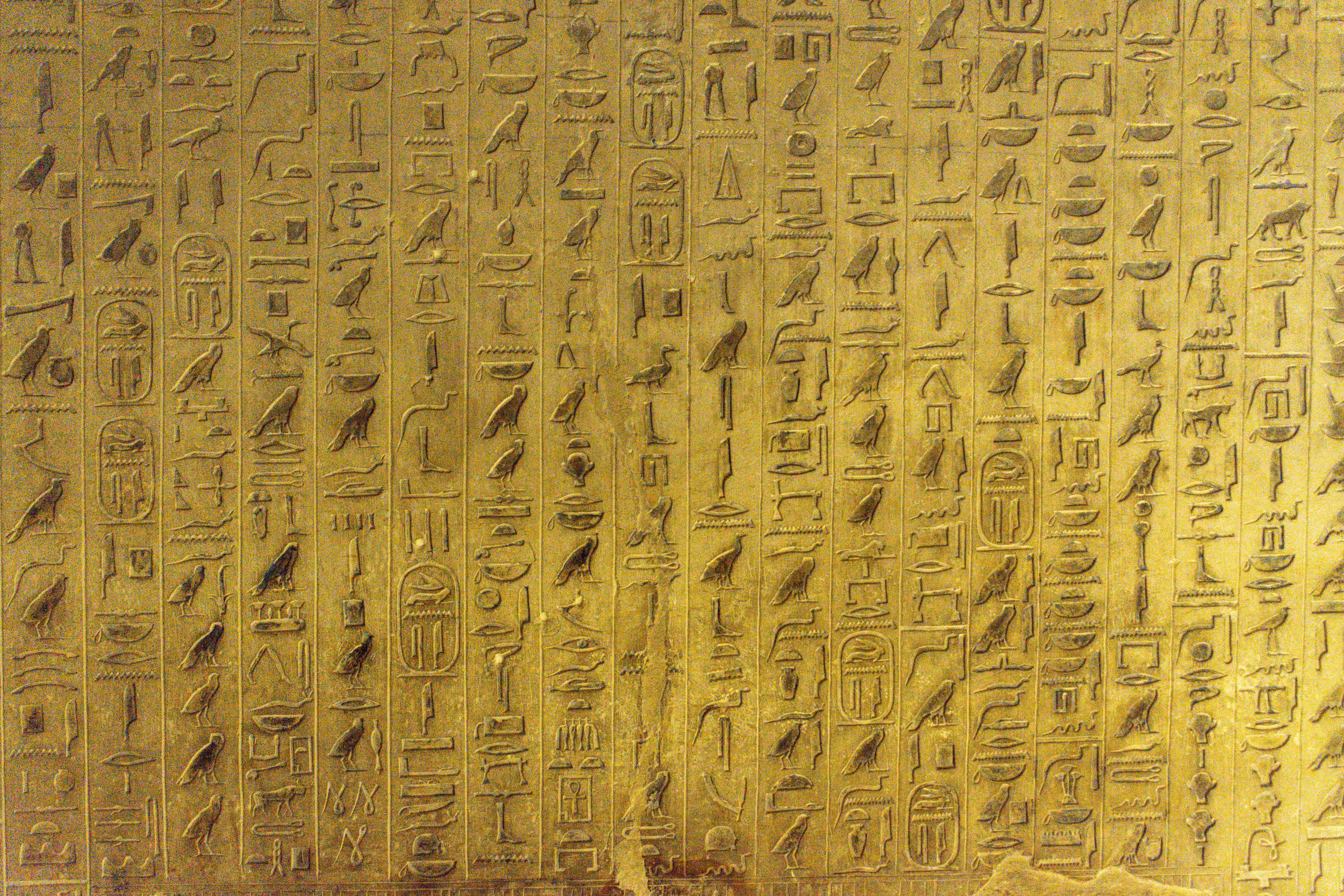
Crouching down, I enter the tunnel, immediately reminded of the daunting experience of exploring the Giza Pyramid yesterday. Unlike that harrowing ordeal, this tunnel is mercifully shorter. After a brief journey, I arrive at the burial chamber, greeted by walls adorned with intricate hieroglyphs. Despite having used this comparison frequently in my travels, I can't shake the feeling of living out my childhood fantasies, channeling my inner Indiana Jones or Tomb Raider as I explore these dimly lit tombs. There's a palpable sense of adventure, excitement, and perhaps even a hint of danger lingering in the air.
Adorning the walls of the burial chamber are the mesmerizing pyramid texts - an ancient anthology of Egyptian religious scriptures. Revered as some of the oldest religious texts in the world, they offer a profound insight into the beliefs surrounding the afterlife in ancient Egypt. These carved hieroglyphs are bursting with spells, prayers, and hymns meticulously crafted to shepherd the soul of the departed pharaoh through the perilous journey to the afterlife.
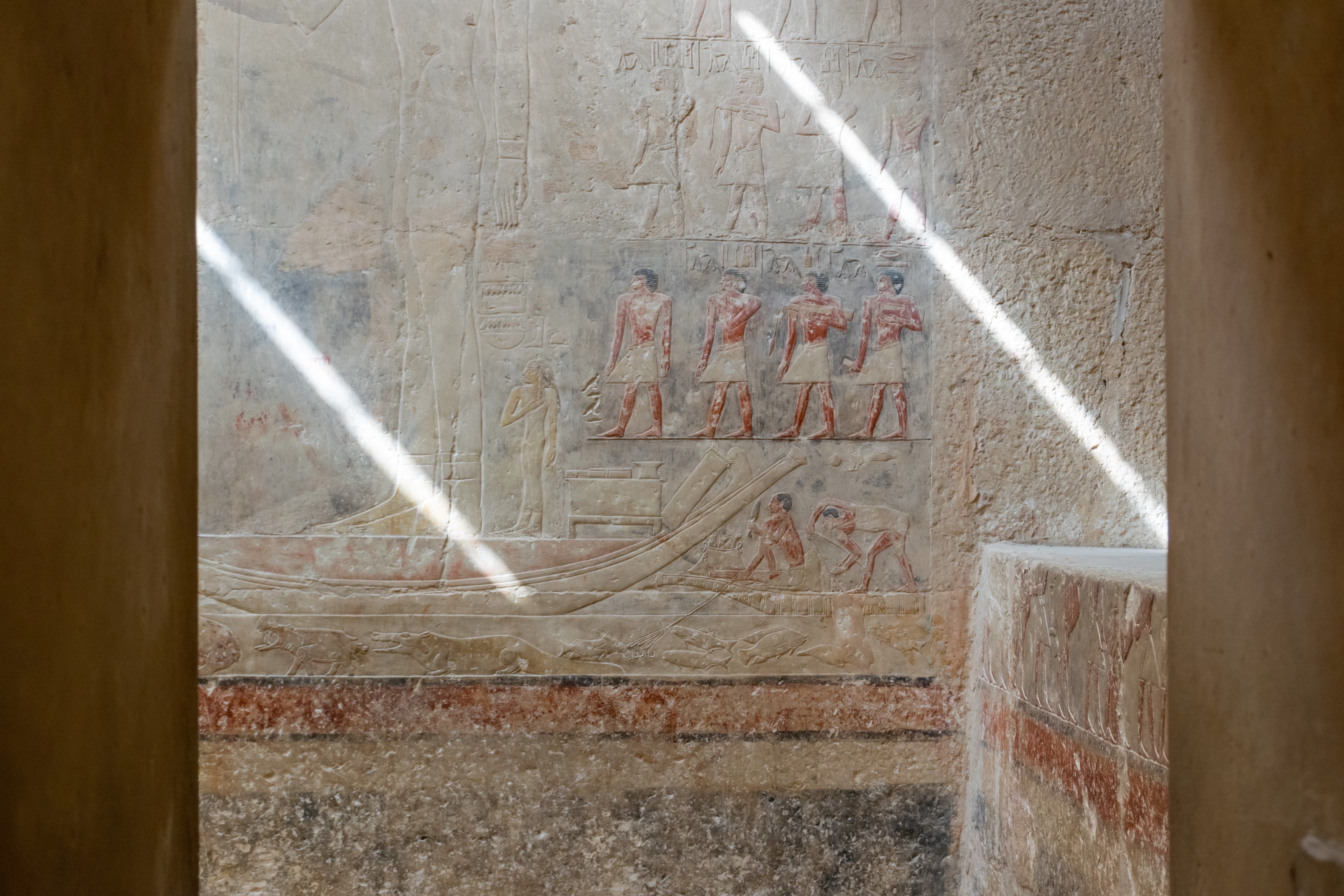
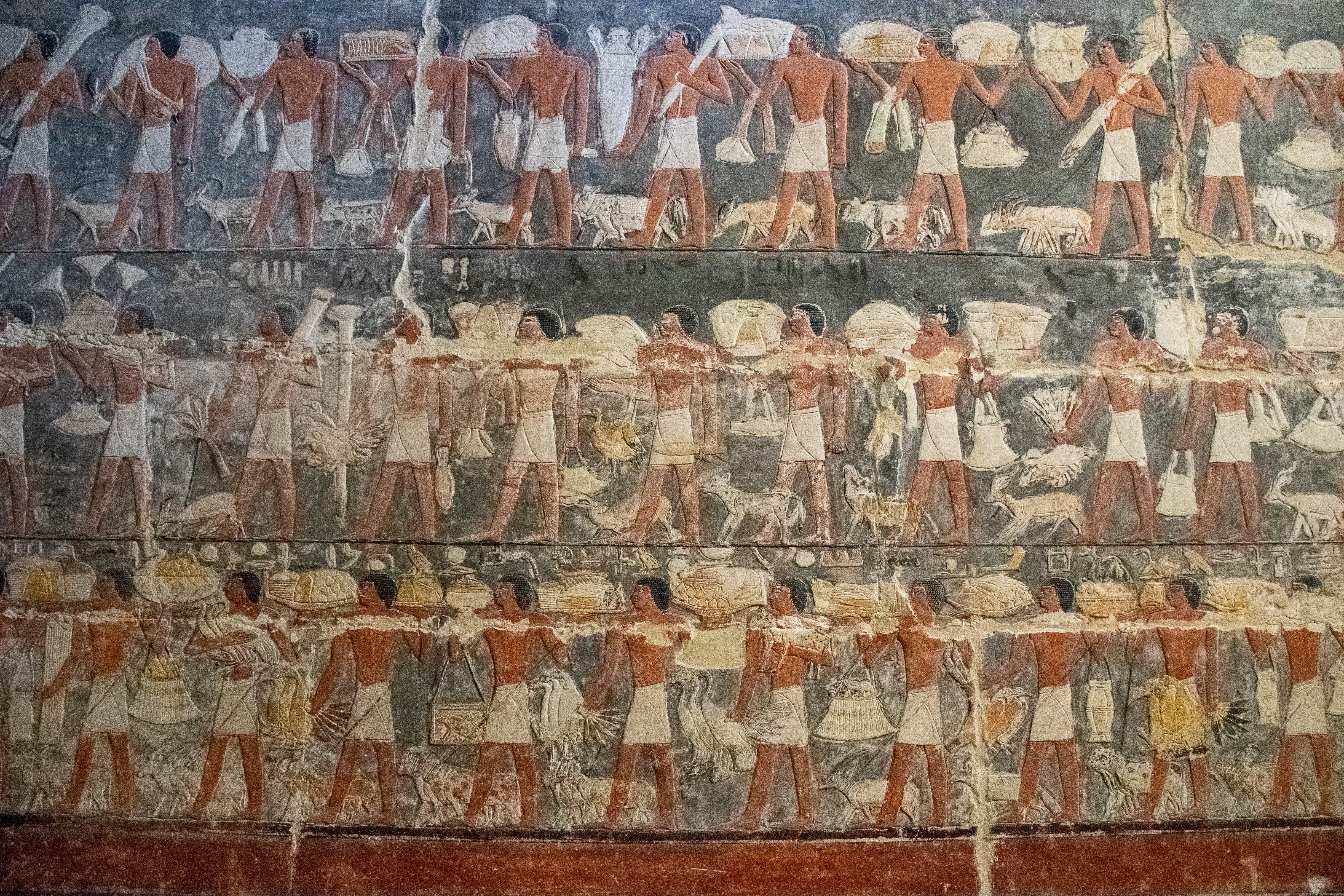
Leaving the grandeur of the Unas Pyramid behind, my curiosity propels me to delve deeper into the vast necropolis. Venturing onward, I arrive at the lesser-known but equally fascinating Tombs of Idut and Mehu. These ancient tombs were long concealed amidst the sands of time. Stepping into the dimly lit chambers, a sense of reverence washes over me, knowing that I am in the final resting spot of princesses and viziers from over four thousand years ago. Amidst the hallowed corridors, there are echoes of the past where the stories of the departed are etched into the very fabric of the stone. The walls are alive with vibrancy and still colorful pigments of red and blue remain showing everyday life scenes of hunting, fishing, planting, and harvesting.
As I walk to explore some more tombs, I encounter vigilant tomb 'guardians' who keep the entrances locked, hoping for baksheesh or a tip. In my opinion, this is a very unethical thing to do, especially as visitors and tourists have flown thousands of miles to see these sites and have already paid exorbitant entrance fees. It's infuriating to witness such behavior, as it undermines the integrity of these historical sites and exploits the passion and curiosity of travelers. Furthermore, these types of behaviors are turning many people off from coming to Egypt, which, in turn, could significantly impact the tourism economy.
Anyway, at this point, all the tombs are starting to blur together, and I'm feeling a bit tired. I sense it's time to move on. However, there's one more thing I want to see. Nestled in the heart of Egypt's ancient wonders lies the Serapeum of Saqqara, an often overlooked marvel that has likely become one of my most significant memories of Egypt.
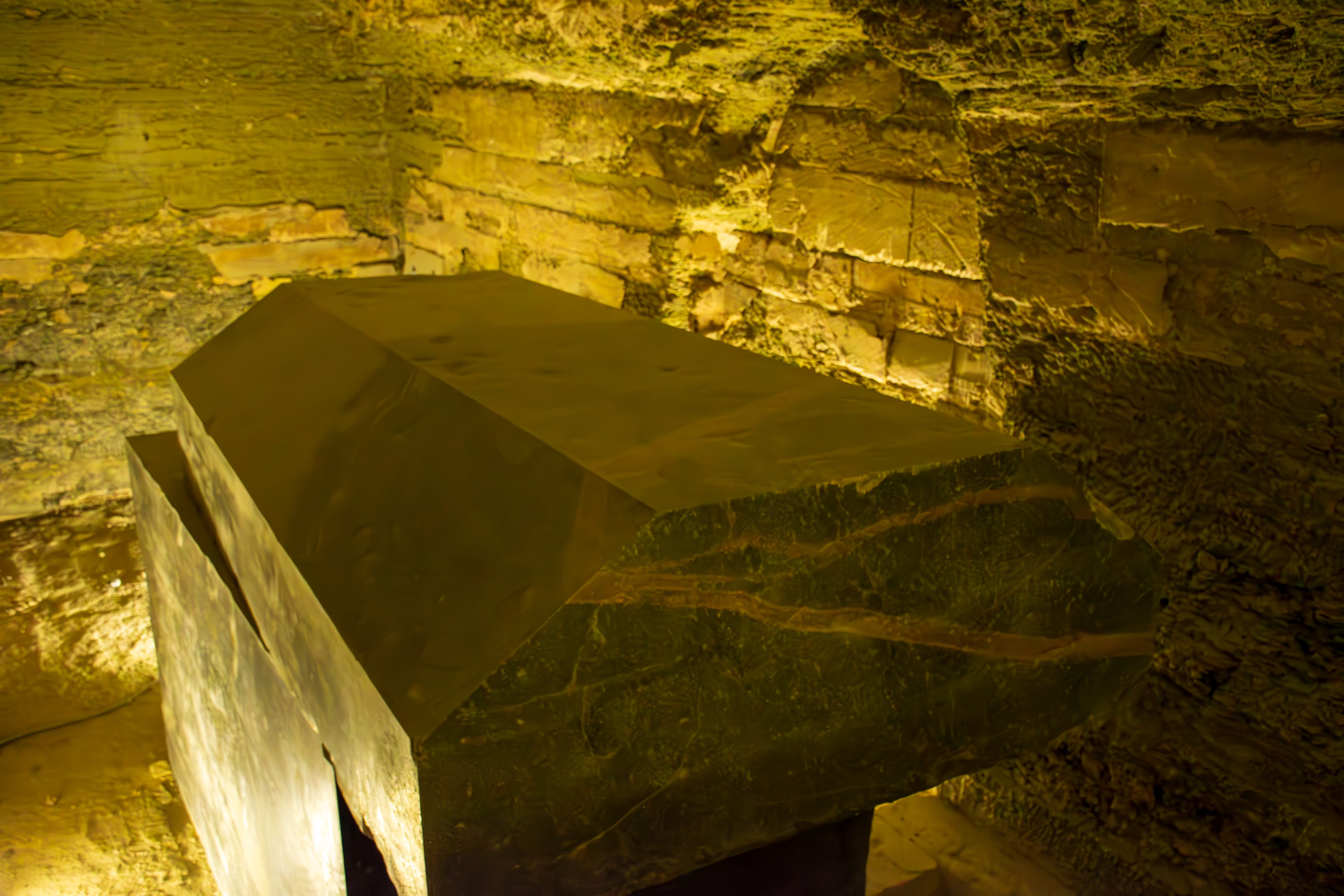
Approaching the unassuming exterior, like many sites in Saqqara, I descend a series of steps into an underground realm. Here, carved into the bedrock, lies a complex of tunnels and chambers. Surprisingly, the space feels expansive, lacking the oppressive closeness of other tombs. Along the sides are a series of alcoves, each positioned a few feet below the walkway and housing colossal sarcophagi.
Twenty-four of these monolithic boxes, some weighing upwards of 100 tons, stand as silent sentinels. The Serapeum is said to have been a burial site for Apis bulls, long revered in Egypt. However, strangely, no bodies of bulls were ever discovered in any of the sarcophagi. In fact, they were all found to be open and empty in modern times.
It remains a complete mystery how the ancient Egyptians were able to create something so precise out of one of the hardest stones, granite, supposedly with only very primitive tools. As I ran my hands over some of the boxes, the granite felt perfectly smooth, with a sheen or polish to it. Engineers have studied these boxes and observed the sharpness of their corners, a remarkable feat for a stone like granite. Additionally, these sarcophagi are precisely flat. Manufacturers of granite surface plates today admit they do not have the capability to create such a box out of a single piece of granite, as done in these sarcophagi, but would need to assemble it from five different pieces.
Why would such exactitude be required for the burial of an animal, no matter how sacred? So many mysteries surround these structures. Most of the boxes are completely devoid of decoration or inscriptions. However, one box has a couple of lines of hieroglyphs inscribed on the lid. Another box features intricate writing and patterns etched along its sides. Even the most casual observers will notice the stark contrast between the crude writing and the smooth polished granite. It seems highly doubtful that the individuals who left these carvings were the same ones who built the boxes.
As I explore the dimly lit crypts, I keep asking myself 'How did they do it?' again and again. Not only is their creation a complete mystery, but it’s unclear how they were placed in their current positions. As I said earlier, each crypt is a few feet lower than the main walkway. In the tunnels, there is also a box that seemingly got stuck in transport - the transportation of these boxes is another unsolved mystery. Even before carrying them through these tunnels, the granite first needed to be shipped all the way from Aswan’s quarries, many hundreds of miles away.
Until a tour group briefly stopped by for ten minutes, I was completely alone at this perplexing site. I am shocked that this site is not more popular - there are barely any signs or descriptions of what is here. Standing amidst these monumental structures, I can't help but feel a sense of wonder and humility, realizing that we may still be missing crucial links in our understanding of Egypt's past. Saqqara, with its hidden treasures and untold stories, proves to be an enigmatic journey - one that perhaps surpasses even the famed wonders of Giza.
As we journey back to the Marriott, my driver Ahmed navigates the local roads, granting me a glimpse into the everyday life of the community. The streets teem with activity - donkey carts and tuk-tuks navigating through the same streets, passing by faded doors of once-grand homes, their ornate details now weathered by time. Amidst this bustle, there is dire poverty, waterways littered with tons of garbage and neglected animals, evoking a profound sense of sadness within me. Egypt, with its rich potential, seems burdened by economic challenges that need urgent attention. In conversation with Ahmed, we touch upon various aspects of Egyptian life and culture, from the complexities of Islam to personal anecdotes about family and marriage. The topics range from having multiple wives to the intricacies of divorce, revealing glimpses of a society grappling with tradition and modernity. As the conversation unfolds, I am left contemplating the myriad layers of Egyptian society, its contradictions, and its untapped potential for growth and prosperity.